
What Inspections Do I Need Before Buying?
Buying a home is one of the biggest financial choices most people make in their lives. It’s exciting to imagine decorating rooms, hosting family gatherings, and building memories. But before you sign on the dotted line, there’s one crucial step that protects you from unpleasant surprises — the home inspection process.
Let’s take a closer look at the essential inspections every buyer should consider before closing the deal.
1. The General Home Inspection
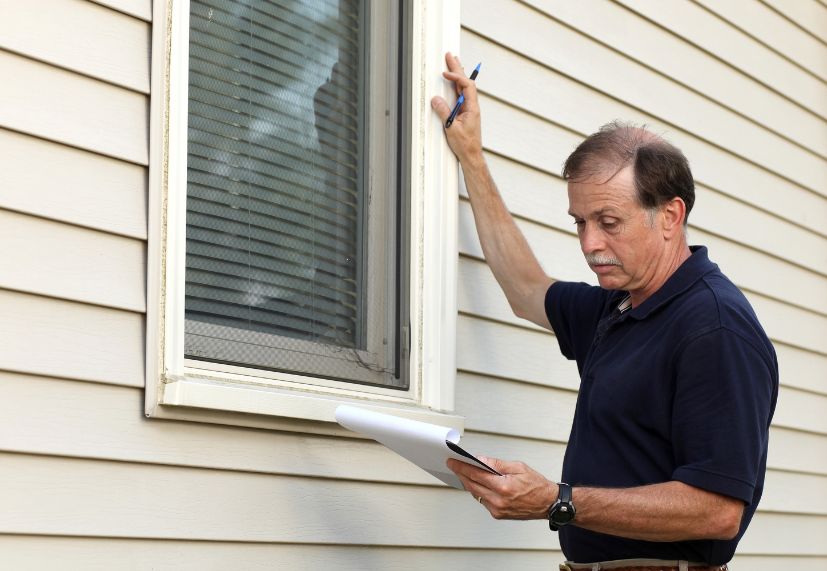
A general home inspection is the foundation of all property inspections. It’s usually the first step after your offer is accepted. A certified home inspector will carefully examine the home’s structure, systems, and overall condition.
This inspection typically covers:
- Roof condition – checking for leaks, missing shingles, or signs of wear.
- Foundation and structure – looking for cracks, water damage, or uneven floors that indicate settling.
- Plumbing – testing water pressure, leaks, and drainage issues.
- Electrical systems – ensuring outlets, switches, and wiring are safe and up to code.
- HVAC systems – verifying that heating and cooling units are working correctly.
- Windows and doors – checking seals, insulation, and operation.
2. Pest Inspection
A pest inspection, sometimes called a wood-destroying organism (WDO) inspection, is essential, especially in areas prone to humidity or where termites are common.
During this inspection, a licensed pest specialist will look for:
- Termite activity or damage
- Signs of carpenter ants or beetles
- Rotting or hollow-sounding wood
- Evidence of nests or tunnels
If the inspection reveals pest issues, you can request treatment before closing or negotiate with the seller to cover the cost. Catching pest damage early can prevent thousands of dollars in future repairs.
3. Radon Inspection
Radon is a gas you can’t see or smell, and it can seep into homes through small cracks in the foundation. Breathing it in for a long time can lead to lung cancer, even if you don’t smoke, so checking for radon is very important for your family’s safety.
A radon test measures gas levels in the home, often over a 24- to 48-hour period. Many buyers overlook this inspection, but it’s a small investment for long-term health and peace of mind.
4. Mold Inspection
It not only damages the structure but can also cause respiratory problems and allergies.
A mold inspection identifies:
- Areas of moisture or water intrusion
- Visible mold growth
- Airborne mold spores through lab testing
If mold is found, remediation should happen before you move in to ensure a safe living environment.
5. Sewer and Septic Inspection
If the home has a septic system, a septic inspection is a must. The inspector will check the tank, lines, and drain field to ensure proper function. Replacing or repairing a failed septic system can cost thousands of dollars, so it’s worth confirming its condition early.
For homes with a connected sewer system, a sewer line inspection using a camera can detect blockages, root intrusions, or pipe damage. These problems are not visible during a general home inspection but can cause significant issues down the line if ignored.
6. Roof Inspection
While the general inspection includes a basic roof review, a specialized roof inspection may be worthwhile, especially for older homes or those in storm-prone areas.
A roof inspector can assess:
- The remaining lifespan of roofing materials
- Potential leaks or sagging areas
- Flashing and gutter conditions
Because roof replacement is a significant expense, this inspection can help you plan for future maintenance or request seller repairs before closing.
7. HVAC Inspection
A separate HVAC inspection provides a more detailed analysis than a general home inspection.
The inspector will check:
- Furnace and air conditioner performance
- Ductwork condition
- Thermostat accuracy
- Proper airflow and insulation
8. Chimney and Fireplace Inspection
If your new home has a chimney or fireplace, a Level II chimney inspection is strongly recommended. Creosote buildup, cracks, or blockages can pose fire and carbon monoxide risks. A certified chimney inspector uses specialized tools and cameras to ensure the structure is safe and functional before you light your first fire.
9. Pool and Spa Inspection
This specialized inspection ensures safety and functionality by checking:
- Pumps, filters, and heaters
- Structural integrity of the pool shell
- Electrical systems
- Safety barriers and covers
A well-maintained pool can be a great feature, but neglected systems can be expensive to fix.
10. Environmental or Soil Inspection
In some areas, mainly rural or undeveloped properties, an environmental or soil inspection may be necessary. This inspection can reveal contamination, unstable soil, or drainage problems that could affect the property’s safety or value. For example, homes near industrial zones or old landfills should be tested for pollutants before purchase.
Why Multiple Inspections Are Worth It
Although inspections add to the upfront cost of buying a home, they provide invaluable insight into the property’s condition.
Each inspection arms you with knowledge, and in real estate, knowledge is negotiating power. If issues arise, you can request that the seller handle repairs, reduce the purchase price, or credit you at closing.
Final Thoughts
Buying a home is more than just an emotional decision — it’s a significant financial investment. Taking the time to schedule the proper inspections ensures you know exactly what you’re buying. From the roof to the foundation, each inspection adds a layer of confidence that your new home is safe, solid, and worth the price.
Alpha Realty Team can help you every step of the way. Their experienced agents understand the importance of due diligence and can guide you through inspections, negotiations, and closing with confidence.